Published · Updated
How to Eliminate Load Shedding in Pakistan: Smart Solar Solutions for 2026
Finding a reliable solar solution for load shedding Pakistan has never been more urgent. As of April 2026, Pakistan’s electricity shortfall has widened to approximately 6,500 megawatts, with electricity demand climbing to around 22,000 MW against total available generation of roughly 15,400 MW. Urban residents are facing between 4 and 8 hours of daily outages, while rural feeders in provinces like KPK are reporting cuts of up to 14 to 16 hours per day.
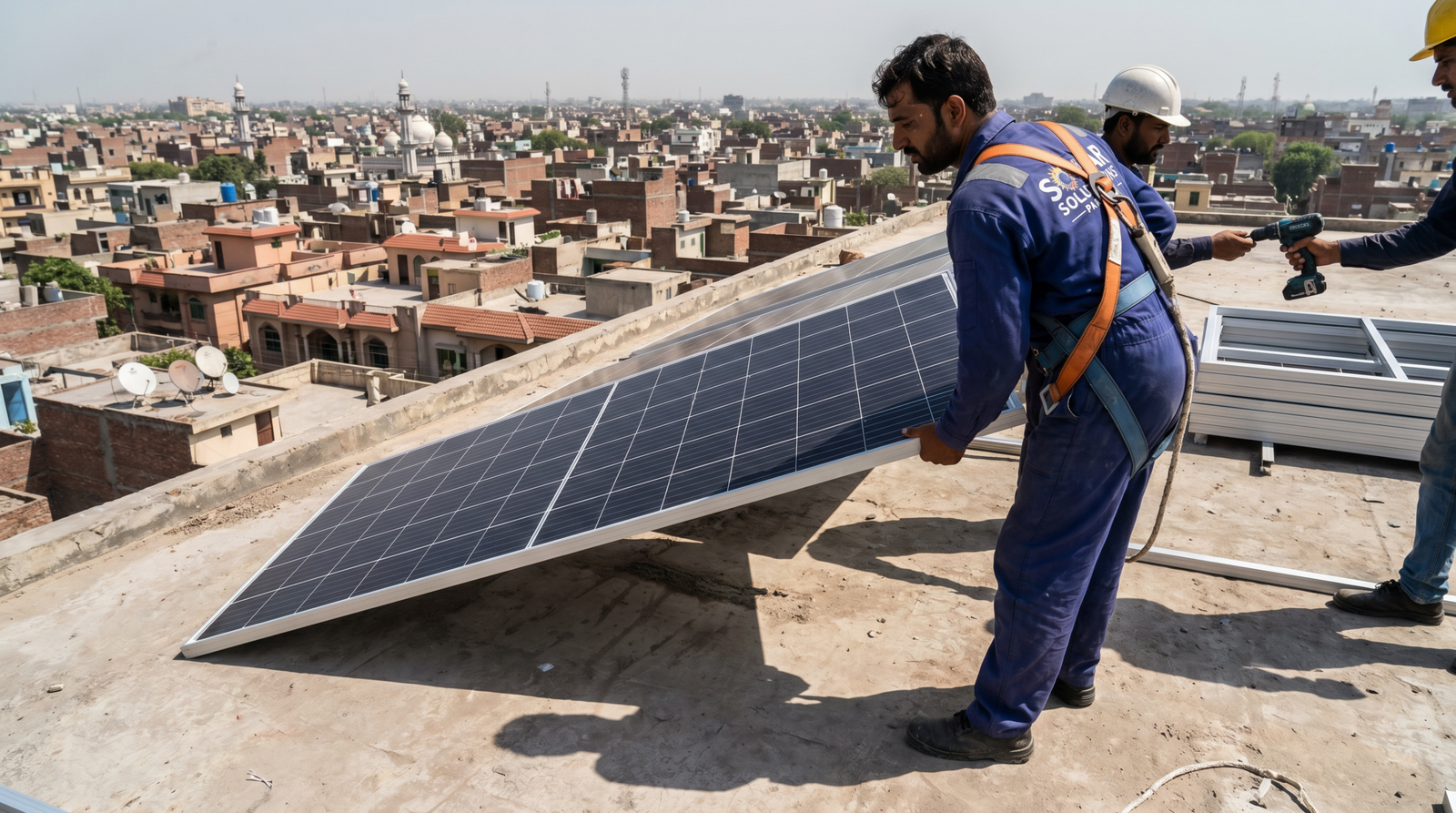
This is not a temporary glitch. It is a structural problem rooted in circular debt, imported fuel dependency, transmission losses, outdated infrastructure, and a grid that was never designed to absorb the sharp evening demand spikes that now define Pakistan’s energy pattern. For millions of households and businesses, waiting for the grid to improve is no longer a strategy. Investing in a smart, properly designed solar system is.
This guide explains everything you need to know about using solar energy as a complete and reliable solution to load shedding in Pakistan in 2026.
Why Load Shedding Persists in Pakistan Despite Available Capacity
A common misconception is that Pakistan simply does not generate enough electricity. The reality is more complicated and, in some ways, more troubling.
Pakistan’s installed generation capacity exceeds 46,000 MW. Yet in stress conditions, actual dispatchable supply falls to between 12,000 and 20,000 MW, depending on fuel availability, hydropower output, transmission constraints, and financial liquidity in the power sector. A significant portion of the thermal fleet runs on imported LNG, coal, and furnace oil. When global fuel prices rise or LNG shipments are delayed, as happened in April 2026, generation collapses rapidly.
The growth of distributed solar has created an additional complication: it has reduced daytime demand on the grid but created a pronounced “net load shift,” where the grid is increasingly burdened during evening peak hours. The system was originally designed for relatively stable demand curves, not for the sharp intra-day fluctuations that rooftop solar now produces.
This is precisely why a solar solution for load shedding Pakistan must go beyond simple daytime panel generation. The evening hours, when solar panels stop producing and grid demand peaks, are when proper battery storage and hybrid inverter technology become essential.
How Solar Energy Directly Addresses the Load Shedding Problem
Solar energy does not fix the national grid. What it does is remove you from dependency on the grid, partially or entirely, depending on the system you choose and how it is designed.
The three core advantages of a solar solution for load shedding Pakistan are:
Energy independence: A solar system generates electricity from your own roof, independent of DISCO supply schedules, fuel shortages, or circular debt dynamics.
Bill reduction: Even a partial solar setup can reduce electricity bills by 50 to 100 percent depending on system size, daily usage patterns, and consumption habits.
Uninterrupted supply: A hybrid solar system with battery storage continues to power your home or business during outages, switching automatically between solar, battery, and grid sources without interruption.
Understanding the Three Types of Solar Systems
Not every solar setup is capable of eliminating load shedding. The choice of system type is the most important decision you will make as a solar buyer in 2026.
On-Grid Solar System
An on-grid system connects your solar panels directly to the national grid through a grid-tied inverter. It reduces your electricity bills during daylight hours and allows you to export surplus energy under the net billing framework.
However, there is a critical limitation: on-grid systems shut down automatically during power outages. They are designed this way for safety reasons, to prevent backfeeding electricity into lines that technicians may be working on. If your primary goal is protection against load shedding, an on-grid system alone will not deliver it.
This option is most appropriate for consumers in areas with very limited or no daily outages, or for commercial installations where daytime production covers most operational loads.
Hybrid Solar System
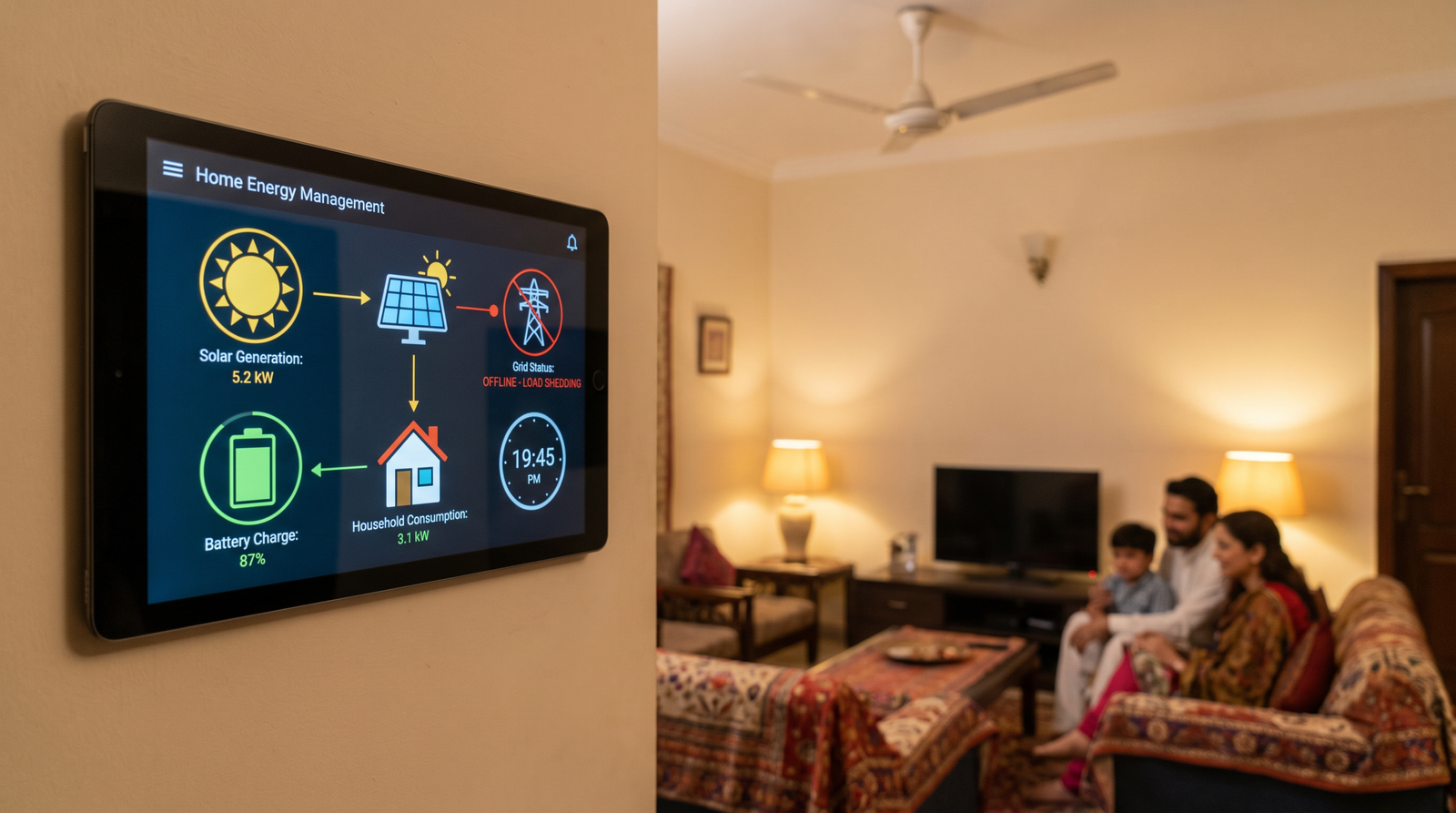
A hybrid system is the most effective solar solution for load shedding Pakistan in 2026. It combines solar panels, a smart hybrid inverter, and a battery bank in a single integrated setup. The inverter manages energy flow automatically, prioritizing solar power for appliances, directing surplus to the batteries, drawing from stored battery power at night or during outages, and falling back on the grid only when solar and battery sources are insufficient.
The result is uninterrupted electricity around the clock: solar during the day, batteries in the evening and during outages, and grid backup when needed. This directly eliminates the impact of load shedding on your home or business.
Off-Grid Solar System
An off-grid system operates with no connection to the national grid at all. It relies entirely on solar panels and a large battery bank to meet all energy needs. While this provides complete energy independence, it also requires a significantly larger battery capacity and higher upfront investment, since there is no grid to draw from during extended cloudy periods.
This system type is most practical for rural areas, agricultural operations, and remote locations where grid connectivity is unreliable or unavailable.
The Smart Technologies Powering 2026 Solar Solutions
Modern solar systems have evolved far beyond a simple panel-and-inverter setup. The technologies now available make 2026 the best year in Pakistan’s history to invest in solar energy.
Lithium Battery Storage
Lithium iron phosphate (LiFePO4) batteries have become the industry standard for residential and commercial solar storage. Compared to older lead-acid alternatives, lithium batteries offer a lifespan of 8 to 15 years, significantly faster charging, higher round-trip efficiency, and better performance in Pakistan’s hot climate conditions. For any consumer serious about eliminating load shedding, lithium battery storage paired with a hybrid inverter is the current benchmark.
Smart Hybrid Inverters
EcoGreen Solar’s hybrid inverter solutions include advanced energy management features such as real-time WiFi monitoring, automatic switching between solar, battery, and grid sources, load prioritization for essential appliances, and remote diagnostics. These inverters remove the need for manual intervention during outages. When load shedding begins, the system transitions to backup mode in milliseconds, with no interruption to connected appliances.
You can review the full range of hybrid inverter and solar system options on the EcoGreen Solar products page.
Load Management and Scheduling
Smart inverters in 2026 allow users to define which appliances receive priority during battery operation. Essential loads such as fans, lights, and refrigerators are maintained continuously. High-draw appliances such as air conditioners or water heaters can be programmed to operate only when solar production is sufficient, reducing unnecessary battery draw and extending backup duration.
Self-Consumption Optimization
With the transition to net billing under the NEPRA Prosumer Regulations 2026, selling surplus electricity to the grid now yields only approximately Rs. 11 per unit, far below what you pay for grid electricity. The economically superior strategy is to consume as much of your own solar production as possible. Smart hybrid systems are purpose-built for this model: they maximize self-consumption, minimize exports, and deliver the highest possible savings under the current policy environment.
Choosing the Right System Size for Your Home or Business
System sizing is where most self-service solar buyers make costly mistakes. An undersized system fails to cover your load during outages. An oversized system generates surplus electricity that earns minimal return under net billing.
The correct approach begins with a detailed load assessment: identifying which appliances you need to run during outages, their wattage ratings, and the number of hours per day they operate. From that analysis, the right panel capacity, inverter rating, and battery bank size can be calculated precisely.
As a general reference for residential consumers:
A 3kW hybrid system covers basic loads in a small home: lights, fans, a small refrigerator, and phone charging. It provides meaningful protection during short outages.
A 5kW hybrid system covers a medium household including one or two air conditioners, full lighting, a refrigerator, and other standard appliances. This is the most common residential configuration in urban Pakistan.
A 10kW hybrid system serves large homes or small commercial premises with heavy electrical loads, multiple air conditioning units, and extended backup requirements.
In every case, EcoGreen Solar engineers conduct a full consumption analysis before recommending a system configuration, ensuring that the solution matches actual energy needs rather than a generic estimate.
Real-World Impact: How Solar Is Already Changing Pakistan’s Energy Picture
The data on solar adoption in Pakistan tells a clear story. Rooftop solar capacity has grown to an estimated 6,000 megawatts nationwide, with hundreds of thousands of active prosumers. Despite widespread outages, solar energy adoption in Pakistan by 2026 is helping reduce daytime pressure on the national grid. Many households and businesses are relying on solar systems to offset electricity load shedding during daytime hours.
Businesses that have invested in hybrid solar systems report consistent operations during grid outages, reduced dependence on expensive diesel generators, and measurable savings on monthly electricity bills. In sectors such as retail, food production, and light manufacturing, solar energy has moved from an optional upgrade to an operational necessity.
EcoGreen Solar has delivered solar installations across residential, commercial, and industrial segments throughout Pakistan. Completed projects covering a range of system types and scales are documented on the EcoGreen Solar projects page, offering a practical reference for consumers evaluating system performance and design standards.
7 Practical Strategies to Maximize Your Solar Investment Against Load Shedding
1. Choose a hybrid system from the start. Retrofitting batteries onto an on-grid system later adds cost and complexity. A hybrid system designed correctly from the outset delivers better long-term value.
2. Size your battery bank for your evening load, not just your daytime load. Most load shedding in Pakistan now occurs during evening peak hours. Your battery capacity must be sufficient to cover 6 to 8 hours of essential consumption.
3. Run high-consumption appliances during daylight hours. Air conditioners, water heaters, and washing machines should operate during peak solar production. This reduces battery draw and extends backup duration.
4. Do not rely on a generator as your primary backup. Generators require ongoing fuel costs, produce emissions, and require maintenance. A properly sized hybrid solar system eliminates the need for a generator in most residential and small commercial applications.
5. Invest in lithium batteries rather than lead-acid. The higher upfront cost of lithium is offset within a few years by longer lifespan, higher efficiency, and reduced replacement frequency.
6. Monitor your system actively. Modern hybrid inverters provide real-time data on generation, consumption, battery state, and grid interaction. Use this information to adjust your usage patterns and maximize savings.
7. Get a professional load analysis before purchasing. The single most common cause of solar underperformance is incorrect system sizing. A professional analysis from a qualified solar company is an essential first step, not an optional one.
Cost, Return on Investment, and What to Expect
Solar systems for load shedding protection require a higher initial investment than basic on-grid setups, primarily due to battery costs. However, the financial case remains strong.
Monthly savings from eliminating generator fuel costs alone often cover a significant portion of the investment. Combined with the reduction in grid electricity bills, the payback period for a well-designed hybrid system in Pakistan’s current tariff environment typically falls between four and six years. Over a system lifespan of 20 to 25 years, the long-term return is substantial.
Beyond financial returns, a hybrid solar system also provides protection against future electricity tariff increases, which have risen consistently over the past decade and show no indication of stabilizing. Every unit of solar energy you generate and consume yourself is a unit you are not paying for at the applicable grid tariff.
For independent verification of solar energy economics and renewable energy data in Pakistan, the Alternative Energy Development Board (AEDB) maintains publicly available resources at aedb.org.pk.
Conclusion
Load shedding in Pakistan in 2026 is real, widespread, and unlikely to resolve through grid improvements alone in the near term. Even in 2026, shortfalls of around 4,000 MW have been reported during peak demand, especially due to weather issues, fuel shortages, or technical faults. The crisis is not just about production but about management, affordability, and infrastructure.
The most reliable solar solution for load shedding Pakistan available today is a properly designed hybrid solar system, sized to your actual consumption, equipped with lithium battery storage, and managed by a smart inverter capable of seamless switching between power sources.
EcoGreen Solar provides end-to-end solar solutions for residential, commercial, and industrial clients across Pakistan. The team delivers free consultation, detailed load assessment, custom system design, professional installation, and post-installation support. Every system is designed around the specific energy needs of the client, not a generic template.
If load shedding is affecting your home, your business, or your productivity, there is a solution available right now. The right time to act is before the next outage, not during it.
Office: MM Tower, Plaza 54, KB Commercial Road, Lahore Phone: +92 319 9903998 Email: Info@ecogreensolars.com Website: www.ecogreensolars.com
Frequently asked questions
Which solar system works during load shedding?
A hybrid or off-grid system with batteries. On-grid systems shut down during outages for safety.
How many hours of backup can solar provide?
It depends on battery capacity and the load you connect. Lights, fans and Wi-Fi can run for many hours; ACs need much larger batteries.
Need help with your solar or electrical work?
EcoGreen Solar installs solar systems and provides electricians, wiring and CCTV across Lahore and Punjab. Get a free survey and a written quote.
Call / WhatsApp 0319 9903998 Request a free quote
Related: Lithium vs lead-acid solar batteries · Solar installation services · Cities we serve