Summer electricity bills vs solar savings is becoming an important comparison for homeowners and businesses facing rising electricity costs. During summer, higher temperatures often lead to increased use of air conditioners, fans, refrigerators, water pumps, and other cooling appliances. As electricity consumption increases, the summer electricity bill can become a major household expense.
Solar energy provides an opportunity to reduce this financial pressure. By installing solar panels for home use, homeowners can generate electricity from sunlight and reduce their dependence on grid electricity. This can lead to significant solar savings in summer, particularly when solar generation is available during the daytime when air conditioners and other appliances are operating.
Understanding summer electricity bills vs solar savings can help homeowners make a more informed decision about whether a solar system for home is suitable for their energy requirements.
Why Do Electricity Bills Increase During Summer?
When comparing summer electricity bills vs solar savings, the first thing to consider is how much electricity your household consumes during the hottest months of the year.
Electricity consumption usually rises during summer because cooling appliances operate for longer periods. An air conditioner that runs for several hours every day can become one of the largest contributors to a household’s monthly electricity consumption.
Common summer electricity loads include:
- Air conditioners
- Ceiling and pedestal fans
- Refrigerators and freezers
- Water pumps
- Water dispensers
- Televisions and computers
- Washing machines
- Lighting
- Kitchen appliances
- Electric water coolers
The higher your summer electricity consumption becomes, the greater the potential value of comparing summer electricity bills vs solar savings before choosing a solar system.
When several high-power appliances operate simultaneously, monthly electricity consumption can increase rapidly.
For example, a household may use an air conditioner during the afternoon and evening while refrigerators, fans, lights, pumps, and other appliances continue operating. This increased demand can make summer electricity bills much higher than expected.
Summer Electricity Bills vs Solar Savings
The biggest difference between relying entirely on grid electricity and using solar energy is where your electricity comes from.
With a traditional electricity connection, most of the energy used by your appliances is purchased from the electricity grid. The more units you consume, the higher your electricity expenses can become.
With solar panels, electricity is generated directly from sunlight. During daylight hours, your appliances can use solar-generated electricity instead of drawing the same amount of energy from the grid.
This can significantly reduce your grid consumption.
The basic concept is simple:
Without Solar:
Grid Electricity → Higher Consumption → Higher Electricity Bill
With Solar:
Solar Energy + Grid Electricity → Lower Grid Consumption → Potentially Lower Electricity Bill
The actual savings depend on system size, electricity usage, sunlight availability, tariff structure, system performance, and how much of the generated solar energy you use.
The comparison between summer electricity bills vs solar savings becomes especially important for homes with multiple air conditioners and high daytime electricity consumption.
For many homeowners, summer electricity bills vs solar savings represents a comparison between continuing to purchase expensive grid electricity and generating a portion of their own electricity through solar panels.
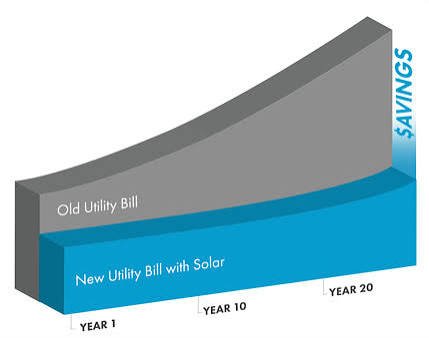
How Solar Panels Reduce Summer Electricity Costs
Solar panels for home use can help reduce the summer electricity bill by supplying electricity during daylight hours when household demand may be at its highest.
This is one of the main reasons solar savings in summer can be attractive to homeowners with high daytime electricity consumption.
Solar panels generate electricity during daylight hours, which is especially useful during summer because many homes experience high electricity demand during the day.
For example, air conditioners may operate throughout the afternoon when solar production is available. Instead of purchasing all of that electricity from the grid, a solar system can supply part or most of the required power.
This creates a direct opportunity to reduce grid electricity consumption.
A properly designed solar system can help offset the electricity used by:
- Air conditioners
- Fans
- Refrigerators
- Water pumps
- Office equipment
- Lighting
- Other household appliances
The more electricity your solar system generates and the more of that electricity you consume directly, the greater the potential reduction in grid usage.
Why Summer Is a Good Time to Consider Solar
Summer is often the season when electricity bills become most noticeable. This makes it easier for homeowners and businesses to understand the financial impact of high electricity consumption.
Solar can be particularly valuable during this period because solar generation is available during the same part of the day when many cooling appliances are operating.
A solar system can therefore help address two problems at once:
High electricity consumption + expensive grid electricity
Instead of allowing higher summer consumption to completely translate into higher bills, solar energy can offset a portion of that demand.
However, solar should not be viewed as a guarantee of a zero electricity bill. The result depends on the system design and the customer’s electricity usage.
Solar Savings Depend on Your System Size
One of the most important factors in determining solar savings is system size.
A small solar system may be suitable for basic household loads, while a larger system may be required for homes using multiple air conditioners and other high-energy appliances.
For example:
A household with one air conditioner and moderate electricity consumption may require a different solar capacity than a large home operating several air conditioners, water pumps, refrigerators, and other appliances.
Choosing the right system size requires an assessment of:
- Previous electricity bills
- Monthly electricity consumption
- Peak electricity usage
- Number of air conditioners
- Appliance load
- Available roof space
- Daytime electricity consumption
- Backup requirements
- Future energy needs
A professional solar assessment can help determine the appropriate system size instead of simply choosing a system based on a fixed number.
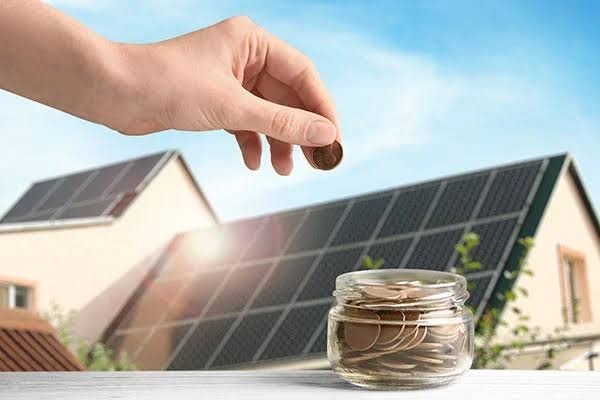
On-Grid Solar vs Hybrid Solar
The type of solar system also affects how you manage summer electricity consumption.
On-Grid Solar System
An on-grid solar system works alongside the electricity grid. Solar panels generate electricity during the day, and the system can reduce the amount of electricity purchased from the grid.
This type of system can be particularly useful for homes and businesses with significant daytime electricity consumption.
However, an on-grid system generally does not provide the same level of backup capability during a grid outage unless additional equipment and an appropriate configuration are used.
Hybrid Solar System
A hybrid solar system combines solar generation with battery storage and grid connectivity.
During the day, solar energy can power appliances and charge the battery. Stored energy can then be used when solar generation is lower or when backup power is required, depending on the system configuration.
For households that want both electricity bill reduction and backup capability, a hybrid system can be an attractive option.
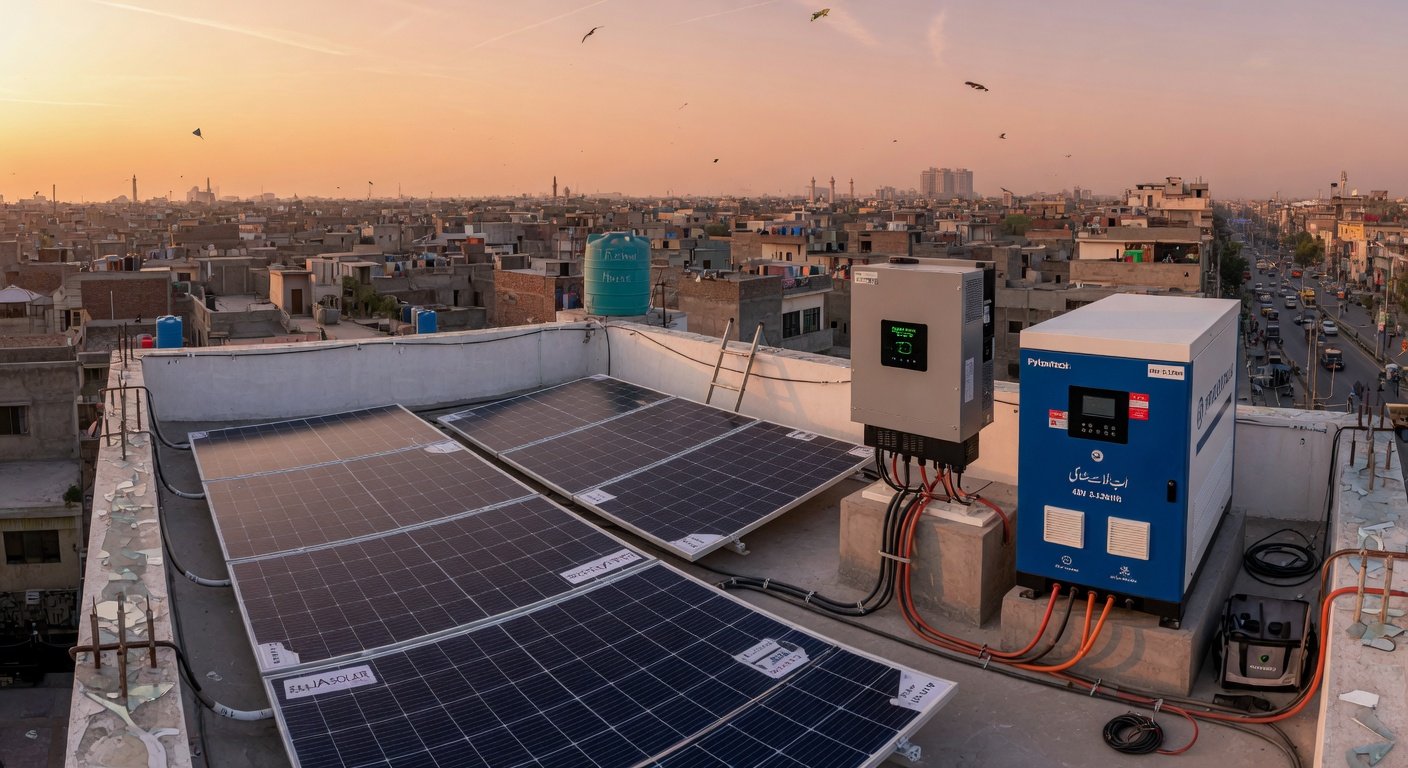
Can Solar Run Air Conditioners in Summer?
Yes, solar energy can help power air conditioners, provided the solar system is appropriately designed for the required load.
Air conditioners can consume a significant amount of electricity, particularly when operating for many hours. Therefore, the solar system must have sufficient generation and inverter capacity to support the intended load.
A professional system design should consider:
- AC capacity
- Number of AC units
- Daily operating hours
- Inverter capacity
- Solar panel capacity
- Battery requirements
- Other appliances operating simultaneously
For example, a household that wants to operate multiple air conditioners during peak daytime hours may need a larger solar system than a household using only one AC for a few hours.
Solar Savings Are More Than Just Monthly Bill Reduction
When comparing summer electricity bills with solar savings, it is important to consider the long-term financial benefit rather than focusing only on one month’s bill.
A solar system can continue generating electricity for many years when properly installed and maintained.
Over time, the value comes from reducing the amount of electricity purchased from the grid.
This can provide several potential benefits:
Lower electricity expenses:
Less reliance on grid electricity can reduce monthly electricity costs.
Better energy planning:
Solar generation allows households and businesses to produce part of their own electricity.
Protection against rising electricity costs:
Generating your own electricity can reduce exposure to future increases in grid electricity prices.
Energy independence:
Solar allows consumers to take greater control over where their electricity comes from.
Backup capability:
Hybrid systems with batteries can provide additional support during power interruptions.
How to Calculate Your Potential Solar Savings
Before installing solar, homeowners should review their electricity bills and consumption history.
Start by checking your monthly electricity units. Look at several months rather than relying on only one bill, because electricity consumption can vary throughout the year.
Next, identify your major electricity loads.
For example:
- How many air conditioners do you use?
- How many hours do they operate?
- How much electricity does your home consume during daylight hours?
- What appliances run continuously?
- Do you need battery backup?
- How much roof space is available?
After determining your approximate energy requirements, a solar professional can recommend an appropriate system size.
A simple comparison can then be made:
Current Annual Electricity Cost – Expected Grid Electricity Cost After Solar = Potential Annual Savings
The actual calculation should account for the solar system’s expected generation, electricity tariff structure, maintenance, financing costs if applicable, and other relevant factors.
What About Solar During Cloudy or Rainy Summer Days?
Solar panels do not stop working simply because the weather is cloudy or rainy. However, solar generation can be lower when sunlight intensity decreases.
During bright summer days, solar panels generally have better conditions for electricity generation. During cloudy weather, the system may produce less electricity.
This is one reason proper system sizing and energy management are important.
A hybrid system with battery storage can provide additional flexibility by storing available solar energy for later use.
The Importance of Solar System Quality
Solar savings are not determined by panel capacity alone. System quality, design, installation, and maintenance also matter.
A professionally designed solar system should use suitable components and be installed according to the property’s electrical and structural requirements.
Important considerations include:
- Quality solar panels
- Appropriate inverter capacity
- Suitable mounting structures
- Proper electrical protection
- Correct system sizing
- Professional installation
- Regular system monitoring
- Appropriate battery selection when required
A poorly designed system may not deliver the expected performance, even if the installed panel capacity appears sufficient.
Frequently Asked Questions (FAQ)
1. Can solar reduce my summer electricity bill?
Yes. Solar panels can generate electricity during the day and reduce the amount of electricity you need to purchase from the grid. The amount you save depends on your system size, electricity consumption, solar generation, and tariff structure.
2. Can solar power an air conditioner?
Yes. A properly sized solar system can help power air conditioners. The required system capacity depends on the number and type of AC units, their operating hours, and other appliances running at the same time.
3. Does solar work better in summer?
Solar panels can generate substantial electricity during periods with strong sunlight. However, actual production depends on sunlight availability, temperature, panel orientation, shading, system design, and weather conditions.
4. Will solar eliminate my electricity bill completely?
Not necessarily. Solar can significantly reduce grid electricity consumption, but the final bill depends on your energy usage, system size, grid consumption, applicable charges, and electricity billing structure.
5. Is a hybrid solar system better for summer?
A hybrid system can be a good option for users who want both solar energy and battery backup. It can store available solar energy for use when needed, depending on the system configuration.
6. How many solar panels do I need for my home?
The required number of panels depends on your electricity consumption, panel wattage, available roof space, solar generation requirements, and the desired system capacity. A professional assessment can provide a more accurate recommendation.
7. Can solar help during load shedding?
A hybrid solar system with suitable battery storage can provide backup power during grid outages. The backup duration depends on battery capacity and the appliances being operated.
📍 Office: MM Tower, Plaza 54, KB Commercial Road, Lahore
📞 Phone: +92 319 9903998
📧 Email: Info@ecogreensolars.com
🌐 Website: www.ecogreensolars.com
#SolarEnergy #SolarPower #SolarSavings #SolarPakistan #SolarPanels #SolarSystem #HybridSolarSystem #SolarInstallation #RenewableEnergy #CleanEnergy #ElectricityBills #EnergySavings #SolarForHome #SolarForBusiness #GreenEnergy #EcoGreenSolar #PowerBackup #EnergyEfficiency
Need help with your solar or electrical work?
EcoGreen Solar installs solar systems and provides electricians, wiring and CCTV across Lahore and Punjab. Get a free survey and a written quote.
Call / WhatsApp 0319 9903998 Request a free quote
Related: Electrician & maintenance services · Electrical wiring for homes & plazas · Solar installation services · Cities we serve