Published · Updated
How to choose the right solar panels is one of the most important decisions when installing a solar energy system. Understanding how to choose the right solar panels helps you select the best option for efficiency, durability, and long-term performance. Solar panels are responsible for converting sunlight into electricity, and the quality, efficiency, technology, and durability of your panels can significantly affect the long-term performance of your solar system.
With so many solar panel brands and technologies available in the market, selecting the right option can sometimes feel confusing. Different panels offer different levels of efficiency, power output, warranties, temperature performance, and durability.
Understanding how to choose the right solar panels can help you avoid costly mistakes and improve system efficiency.
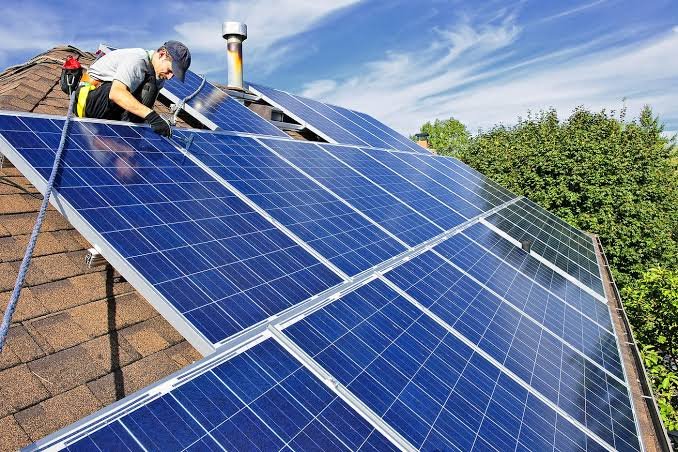
How to Choose the Right Solar Panels for Your Energy Needs
Solar panels are a long-term investment.
A properly selected solar panel system can generate electricity for many years. However, choosing low-quality or unsuitable panels may lead to:
- Lower electricity generation
- Reduced system efficiency
- Faster performance degradation
- Higher maintenance requirements
- Poor performance in hot weather
- Limited warranty support
The right solar panels can help you:
- Generate more electricity
- Reduce your electricity bills
- Make better use of limited rooftop space
- Improve long-term energy savings
- Increase your energy independence
- Get better performance from your solar system
Before purchasing solar panels, it is important to understand the specifications and technology behind them.
1. Understand Your Electricity Requirements
Before choosing solar panels, you first need to understand how much electricity you consume.
Your electricity consumption can help determine:
- The total solar system size
- The number of panels required
- The panel wattage needed
- The inverter size
Start by reviewing your electricity bills.
Look at your monthly consumption in kilowatt-hours, commonly known as units.
For example:
- A small home may need a smaller solar system.
- A large home with multiple air conditioners may require a larger system.
- A commercial building may require a customized solar solution.
- A factory may need a large industrial solar system.
The solar panel selection should be based on your overall energy requirements.
2. Compare Solar Panel Efficiency
Panel efficiency plays a major role when learning how to choose the right solar panels for limited rooftop space.
Solar panel efficiency refers to how effectively a panel converts sunlight into electricity.
For example, a higher-efficiency solar panel can generate more electricity from the same amount of sunlight compared to a lower-efficiency panel of the same size.
This is especially important when rooftop space is limited.
A higher-efficiency panel may allow you to generate more power using fewer panels.
When comparing panels, look at:
- Efficiency percentage
- Power output
- Physical dimensions
- Temperature coefficient
However, efficiency is not the only factor to consider.
A slightly lower-efficiency panel with better durability, warranty, and value may still be a suitable choice.
3. Consider the Wattage of the Solar Panel
Solar panels are available in different wattages.
The wattage indicates the power output of an individual panel under standard testing conditions.
For example, a solar panel may have a power rating of:
- 400W
- 450W
- 500W
- 550W
- 580W
Higher-wattage panels can help reduce the total number of panels required for a particular system size.
For example, a 5kW solar system may require fewer high-wattage panels compared with lower-wattage panels.
However, the number of panels also depends on the exact system capacity and panel specifications.
When choosing a panel, do not focus only on wattage.
Also consider:
- Efficiency
- Panel size
- Warranty
- Technology
- Performance in hot weather
4. Understand Different Solar Panel Technologies
Different technologies also impact how to choose the right solar panels based on performance and durability.
Solar panel technology continues to develop.
Some of the most common technologies include:
Monocrystalline Solar Panels
Monocrystalline panels are widely used in residential and commercial solar systems.
They are known for:
- High efficiency
- Good performance
- Long-term durability
- Efficient use of rooftop space
They are commonly used when customers want to maximize electricity generation from limited space.
N-Type Solar Panels
N-type technology is becoming increasingly popular in modern solar installations.
These panels may offer:
- High efficiency
- Improved performance
- Lower degradation
- Better long-term energy production
The exact performance depends on the manufacturer and specific panel model.
TOPCon Solar Panels
TOPCon technology is another advanced solar panel technology.
These panels are designed to provide improved efficiency and long-term performance.
They may be suitable for customers who want modern high-performance solar technology.
Bifacial Solar Panels
Bifacial panels can generate electricity from both sides of the panel under suitable conditions.
They may be beneficial in installations where reflected sunlight can reach the rear side of the panel.
The performance depends on:
- Installation height
- Ground or roof surface
- Reflection
- Panel layout
Not every rooftop is suitable for bifacial panels, so professional advice is recommended.
5. Check the Temperature Coefficient
Solar panels are installed outdoors and exposed to different weather conditions.
High temperatures can affect the performance of solar panels.
The temperature coefficient indicates how much the panel’s performance changes as temperature increases.
This is particularly important in hot climates.
When selecting solar panels for Pakistan, consider their performance in:
- Hot summers
- High rooftop temperatures
- Dust
- Humidity
- Seasonal weather changes
A panel with a better temperature coefficient may perform more efficiently in hot conditions.
6. Consider Solar Panel Degradation
All solar panels gradually lose some performance over time.
This is called degradation.
The degradation rate indicates how much the panel’s power output may decrease over the years.
A high-quality solar panel should maintain a significant portion of its original performance over its expected lifespan.
When comparing panels, ask:
- What is the first-year degradation rate?
- What is the annual degradation rate afterward?
- What performance is guaranteed after 25 or 30 years?
Lower degradation can result in better long-term energy production.
7. Review the Solar Panel Warranty
Warranty is another important factor in deciding how to choose the right solar panels for long-term use.
Warranty is one of the most important factors when choosing solar panels.
Solar panels usually have different types of warranties.
Product Warranty
This covers manufacturing defects and product-related issues.
Performance Warranty
This guarantees a certain level of power output over a specific period.
Before purchasing solar panels, ask:
- How long is the product warranty?
- How long is the performance warranty?
- What does the warranty cover?
- Who handles warranty claims?
- Is the manufacturer reliable?
Always read the warranty terms carefully.
A strong warranty can provide greater peace of mind.
8. Choose a Reliable Solar Panel Brand
The brand of a solar panel can be an important consideration.
When evaluating a brand, look at:
- Industry experience
- Manufacturing quality
- Warranty support
- Product certifications
- Global reputation
- Availability of technical support
Some brands may have a strong reputation but limited local availability.
Others may offer affordable products with good performance.
The best option depends on your project requirements.
A professional solar company should help you compare suitable brands instead of recommending a panel only because it is the cheapest option.
9. Consider the Size of Your Rooftop
Your available rooftop space can affect your choice of solar panels.
If your rooftop space is limited, high-efficiency panels may be beneficial.
For example, two panels may have similar wattage but different physical sizes.
A professional solar installer should evaluate:
- Available rooftop space
- Shading
- Roof layout
- Panel dimensions
- Maintenance access
The goal is to maximize electricity generation while using the available space efficiently.
10. Check Shading and Installation Conditions
Even the best solar panels may produce less electricity if they are shaded.
Shading may come from:
- Trees
- Buildings
- Walls
- Water tanks
- Chimneys
- Other rooftop structures
Before selecting your panels, a professional installer should assess your rooftop.
The panel layout should be designed to minimize shading.
In some cases, specialized inverter or optimization technologies may help reduce the impact of shading.
11. Consider the Solar Panel’s Durability
Solar panels are exposed to outdoor conditions for many years.
They should be able to withstand:
- Strong sunlight
- High temperatures
- Rain
- Dust
- Wind
- Humidity
When selecting panels, ask about their durability and certifications.
The panel should be suitable for the environmental conditions where it will be installed.
A professional solar company should be able to explain the panel’s construction quality and environmental ratings.
12. Look at the Panel’s Electrical Specifications
Solar panels have different electrical characteristics.
Important specifications may include:
- Open-circuit voltage
- Short-circuit current
- Maximum power voltage
- Maximum power current
- Maximum system voltage
These specifications should be compatible with the selected solar inverter.
Incorrect compatibility can affect system performance and safety.
This is one reason why solar panel selection should be done with the help of a qualified solar professional.
13. Check the Compatibility with Your Inverter
Solar panels and inverters must work together properly.
Before selecting panels, confirm:
- Panel voltage compatibility
- Current compatibility
- String configuration
- Inverter input range
- Maximum power requirements
A professional system designer will calculate the correct configuration.
The best solar panel is not necessarily the one with the highest wattage.
It must also be compatible with your complete solar system.
14. Consider Your Budget
Budget planning is essential when evaluating how to choose the right solar panels without compromising quality.
Budget is an important factor when choosing solar panels.
However, it is important to look at the total long-term value rather than only the initial cost.
A cheaper panel may have:
- Lower efficiency
- Higher degradation
- Shorter warranty
- Lower long-term performance
A more expensive panel may offer:
- Higher efficiency
- Better durability
- Stronger warranty
- Better long-term production
The best choice depends on your financial goals and project requirements.
A professional solar company can help you compare different options.
15. Compare Cost Per Watt
One useful way to compare solar panels is to calculate the cost per watt.
For example:
Total Panel Price ÷ Total Panel Capacity = Cost Per Watt
However, cost per watt should not be the only factor.
You should also consider:
- Efficiency
- Warranty
- Degradation
- Performance
- Brand reputation
A slightly higher-cost panel may provide better long-term value.
16. Understand the Importance of Professional Installation
Professional installation also affects how to choose the right solar panels for optimal performance.
Even high-quality solar panels can perform poorly if they are installed incorrectly.
Professional installation is important for:
- Correct panel orientation
- Proper tilt angle
- Secure mounting
- Cable management
- Waterproofing
- Electrical safety
A reliable solar company should use experienced technicians.
Ask about:
- Installation standards
- Mounting structures
- Safety equipment
- Earthing
- Maintenance access
Professional installation can help protect your solar investment.
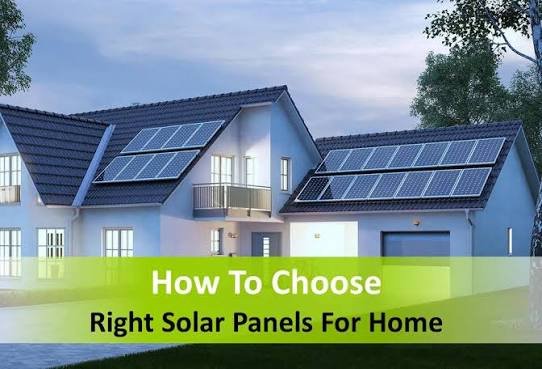
How to Choose Solar Panels for a Home
For residential solar systems, homeowners should consider:
- Electricity consumption
- Available rooftop space
- Number of air conditioners
- Backup requirements
- Budget
- Future energy needs
High-efficiency panels may be useful for homes with limited rooftop space.
A professional installer can recommend a suitable combination of panels and inverter.
How to Choose Solar Panels for a Business
Businesses may have different requirements compared with homes.
Commercial customers should consider:
- Operating hours
- Daytime electricity consumption
- Roof size
- Electricity demand
- Business expansion
Businesses that use most of their electricity during daylight hours may benefit significantly from solar energy.
A commercial solar system should be professionally designed based on the company’s energy profile.
Common Mistakes When Choosing Solar Panels
Avoid these common mistakes:
Choosing Only Based on Price
The cheapest panel is not always the best value
Frequently Asked Questions (FAQs)
1. How do I choose the right solar panels for my home?
Consider your electricity consumption, rooftop space, panel efficiency, wattage, technology, warranty, durability, and budget.
2. Which solar panel technology is best?
The best technology depends on your project requirements. Modern technologies such as N-type and TOPCon may offer high efficiency and long-term performance.
3. Are higher-wattage solar panels better?
Higher-wattage panels can reduce the number of panels required, but efficiency, size, warranty, and compatibility are also important.
4. What is solar panel efficiency?
Solar panel efficiency measures how effectively a panel converts sunlight into electricity.
5. How important is the solar panel warranty?
Warranty is extremely important because solar panels are a long-term investment. Always check both product and performance warranties.
6. Do solar panels work in hot weather?
Yes, solar panels can operate in hot weather, but temperature can affect their performance. The temperature coefficient is an important specification to consider.
7. How long do solar panels last?
Solar panels are designed for long-term operation. Their actual performance depends on product quality, installation, maintenance, and environmental conditions
By understanding all these factors, you can clearly see how to choose the right solar panels for your specific energy needs.
Conclusion
In conclusion, knowing how to choose the right solar panels is essential for making a smart solar investment. The right panels can improve efficiency, reduce electricity costs, and provide reliable energy for many years.
📍 Office: MM Tower, Plaza 54, KB Commercial Road, Lahore
📞 Phone: +92 319 9903998
📧 Email: Info@ecogreensolars.com
🌐 Website: www.ecogreensolars.com
#SolarPanels #SolarEnergyPakistan #SolarPowerPakistan #SolarPanelGuide #SolarPanelInstallation #SolarPanelsPakistan #SolarSystemPakistan #SolarEnergy #SolarPower #RenewableEnergy #CleanEnergy #GreenEnergy #SolarForHome #SolarForBusiness #SolarInstallationLahore #SolarCompanyLahore #SolarSolutions
Need help with your solar or electrical work?
EcoGreen Solar installs solar systems and provides electricians, wiring and CCTV across Lahore and Punjab. Get a free survey and a written quote.
Call / WhatsApp 0319 9903998 Request a free quote
Related: Solar panel price in Pakistan 2026 · Solar installation services · Cities we serve