Published · Updated
Restaurants and cafes operate in a highly competitive environment where controlling operating costs is essential for long-term success. From refrigerators and freezers to air conditioners, lighting, cooking equipment, coffee machines, exhaust systems, water pumps, and point-of-sale systems, these businesses consume a significant amount of electricity every day.
As electricity prices continue to put pressure on businesses, restaurant and cafe owners are increasingly looking for reliable ways to reduce energy expenses without compromising customer experience. Solar energy for restaurants and cafes offers an effective solution by converting sunlight into clean electricity that can be used to power daily operations.Solar energy for restaurants and cafes can help businesses reduce electricity costs while maintaining efficient daily operations.
A properly designed commercial solar system for restaurants can reduce dependence on grid electricity, lower monthly electricity bills, provide greater energy independence, and support a more sustainable business model.
Why Restaurants and Cafes Need Solar Energy
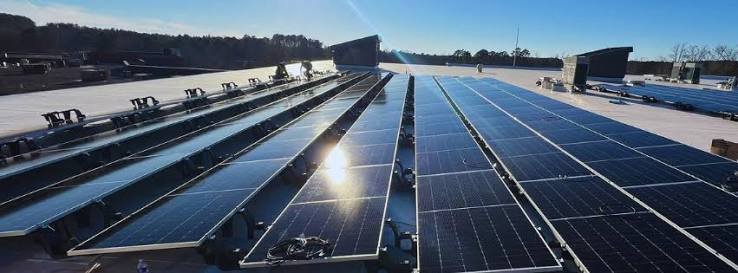
Restaurants and cafes typically have high and continuous electricity requirements. Unlike many businesses that operate mainly during office hours, restaurants may operate from early morning until late at night.
For many businesses, solar energy for restaurants and cafes is becoming an increasingly practical way to manage rising electricity expenses.
Electricity is required for:
- Refrigerators and freezers
- Air conditioning systems
- Coffee machines and espresso machines
- Ovens and cooking equipment
- Exhaust and ventilation systems
- Water pumps
- Lighting
- POS systems and computers
- Security cameras
- Internet equipment
- Signboards
- Fans
- Ice machines
- Dishwashers
- Food preparation equipment
By using solar energy for restaurants and cafes, businesses can generate clean electricity to support many of these essential operations.
Running all these appliances on grid electricity can result in substantial monthly bills.
Solar panels provide an opportunity to generate electricity directly from sunlight during the day. Instead of purchasing all the required electricity from the grid, a restaurant can use solar-generated power to operate its equipment and reduce its dependence on conventional electricity.
How Solar Power Works for Restaurants and Cafes
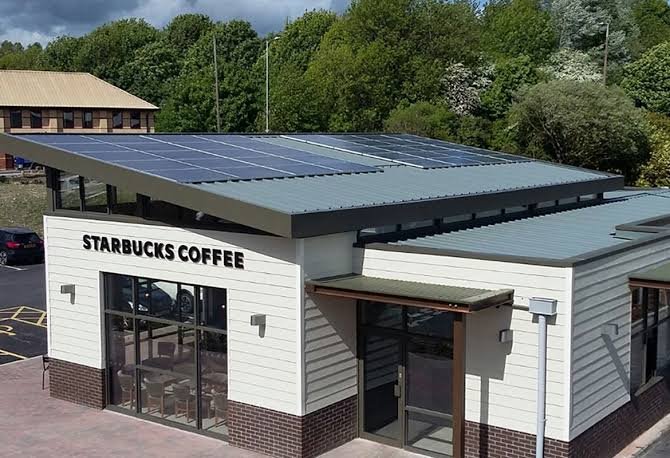
A solar system for a restaurant or cafe generally consists of solar panels, an inverter, mounting structures, electrical protection equipment, and, when required, batteries.
A well-designed solar energy for restaurants and cafes system can be customized according to the business’s electricity consumption and operating schedule.
During daylight hours, solar panels capture sunlight and convert it into DC electricity. The inverter then converts this electricity into usable AC power for the restaurant’s appliances and equipment.
A typical system works in the following way:
Sunlight → Solar Panels → Inverter → Restaurant Appliances
If the solar system produces more electricity than the restaurant is consuming, the excess energy can potentially be exported to the grid under applicable regulations and approved arrangements.
For businesses that require backup power, batteries can also be integrated into the system:
Solar Panels → Inverter → Loads + Battery
This setup allows solar energy for restaurants and cafes to be used directly for daily electricity requirements during suitable solar production hours.
During the day, solar energy can power the restaurant while also charging the battery. When solar production decreases, stored energy can provide backup for selected loads, depending on the system design and battery capacity.
Major Benefits of Solar Energy for Restaurants and Cafes
1. Reduce Monthly Electricity Bills
One of the biggest reasons restaurant owners invest in solar is to reduce electricity costs.
One of the key advantages of solar energy for restaurants and cafes is the potential to lower the amount of electricity purchased from the grid.
Restaurants often have significant daytime energy consumption, which makes them particularly suitable for solar power. Air conditioners, refrigerators, lighting, kitchen equipment, and other appliances can consume large amounts of electricity during operating hours.
By generating electricity from solar panels, a restaurant can reduce the amount of energy it needs to purchase from the grid.
Over time, the savings can contribute significantly to the business’s profitability.
2. Reduce Dependence on the Grid
Grid electricity prices can change, and businesses have limited control over these increases. Solar gives restaurants greater control over a portion of their electricity generation.
Instead of relying entirely on the utility grid, the business can generate its own electricity.
This can be particularly valuable for restaurants with high energy consumption because even a partial reduction in grid dependency can make a noticeable difference in operating expenses.With solar energy for restaurants and cafes, businesses can gain greater control over a portion of their electricity supply.
3. Backup Power with Battery Storage
Power interruptions can be especially problematic for restaurants and cafes.
A power outage can affect:
- Refrigeration
- Food preparation
- Lighting
- Air conditioning
- POS systems
- Internet connectivity
- Security systems
- Customer experience
When combined with battery storage, solar energy for restaurants and cafes can also support selected essential equipment during power interruptions.
A hybrid solar system for restaurants can include battery storage to provide backup power for selected essential loads.
The battery can help keep important equipment running when grid electricity is unavailable, depending on the system capacity and the loads connected to backup power.
For businesses that depend on uninterrupted refrigeration, lighting, POS systems, and essential equipment, battery backup can provide an additional layer of energy security.
4. Protect Food and Refrigeration Equipment
Restaurants depend heavily on refrigerators, freezers, and cold-storage equipment.
Unexpected power interruptions can create operational challenges, particularly when food must remain at controlled temperatures.
A properly designed hybrid solar and battery system can help maintain power to essential refrigeration equipment during outages.
However, the battery capacity should always be calculated according to the actual power consumption and required backup duration.This makes solar energy for restaurants and cafes particularly valuable for businesses that depend on continuous refrigeration and cold storage.
5. Improve Business Profitability
Energy costs are a recurring business expense.The long-term savings from solar energy for restaurants and cafes may help businesses manage recurring operating expenses more effectively.
When electricity expenses are reduced, the money saved can potentially be redirected toward:
- Marketing
- Staff development
- Restaurant improvements
- New equipment
- Customer experience
- Business expansion
- Inventory
- Additional locations
Solar should therefore be viewed not only as an energy project but also as a potential long-term business investment.
6. Support Sustainable Business Operations
Consumers are increasingly interested in businesses that demonstrate environmental responsibility.
Solar energy allows restaurants and cafes to reduce their dependence on conventional electricity generation and use renewable energy instead.
Choosing solar energy for restaurants and cafes can also demonstrate a commitment to cleaner and more sustainable business practices.
A restaurant can communicate its commitment to sustainability through marketing materials, social media, website content, signage, and customer communications.
For environmentally conscious customers, this can strengthen the restaurant’s brand image.
7. Make Better Use of Rooftop Space
Restaurants and commercial buildings often have unused rooftop areas.
Instead of leaving this space unused, businesses can install solar panels to generate electricity.
The available roof area, structural condition, orientation, shading, and installation requirements should be evaluated before designing the system.
A professional site assessment can determine how much solar capacity can realistically be installed.
Which Restaurant Appliances Can Run on Solar?
Solar energy for restaurants and cafes can be used to support a wide range of electrical appliances when the system is correctly sized.
A properly sized solar system can support a wide range of restaurant and cafe equipment.
Common loads include:
Kitchen Equipment
Solar energy can support equipment such as:
- Electric ovens
- Food processors
- Mixers
- Blenders
- Microwave ovens
- Electric cooking equipment
- Dishwashers
- Food preparation machines
The actual system size required depends on the equipment’s wattage, operating hours, and whether multiple appliances operate simultaneously.
Refrigeration
Refrigerators, freezers, and cold-storage equipment are important restaurant loads.
Because refrigeration may operate for extended periods, energy consumption should be carefully measured when designing the solar system.
Coffee Shop Equipment
Cafes often have specialized electrical equipment such as:
- Espresso machines
- Coffee grinders
- Water heaters
- Refrigerated display cases
- Ice machines
- Blenders
These appliances can create significant electricity demand, particularly during peak business hours.
Lighting
LED lighting is relatively energy efficient and can be powered through solar energy.
Restaurant lighting includes:
- Dining-area lights
- Kitchen lights
- Outdoor lighting
- Decorative lighting
- Signboards
- Parking-area lights
Reducing lighting consumption through efficient LED technology can further improve overall energy efficiency.
Air Conditioning
Air conditioning is often one of the largest electricity-consuming loads in restaurants and cafes, especially during hot weather.
Solar generation during daylight hours can help offset the electricity required for air conditioning.
For restaurants operating during the afternoon and evening, the combination of solar generation, efficient air conditioners, and battery storage can be particularly useful.For restaurants with high daytime cooling requirements, solar energy for restaurants and cafes can help offset a portion of air-conditioning electricity consumption.
On-Grid vs Hybrid Solar for Restaurants
Choosing between an on-grid and hybrid system depends on the restaurant’s energy requirements and backup needs.
On-Grid Solar System
An on-grid solar system is connected to the utility grid.
During the day, solar panels generate electricity for the restaurant. When solar production is insufficient, electricity can be obtained from the grid.
The main advantages include:
- Lower electricity consumption from the grid
- Potentially lower system cost than a battery-based solution
- Effective use of daytime solar generation
- Suitable for businesses with reliable grid electricity
However, a standard on-grid system generally does not provide backup power during a grid outage because of safety and grid-protection requirements.
Hybrid Solar System
A hybrid system combines solar panels, an inverter, batteries, and the grid.
It can provide:
- Solar energy
- Grid electricity
- Battery backup
- Better energy management
- Backup for selected critical loads
Hybrid systems are particularly attractive for restaurants that experience frequent power interruptions or need additional energy security.
The right solar configuration allows solar energy for restaurants and cafes to be matched with the business’s budget, energy needs, and backup requirements.
How Much Solar Does a Restaurant Need?
There is no universal solar system size for every restaurant.
A small cafe may have very different electricity requirements from a large restaurant with multiple kitchens, freezers, air conditioners, and cooking appliances.
System sizing should consider:
- Monthly electricity consumption
- Peak electricity demand
- Daily operating hours
- Roof space
- Available sunlight
- Appliance load
- Daytime electricity consumption
- Required backup duration
- Battery requirements
- Future expansion plans
A professional energy assessment can help determine the appropriate solar capacity.
For example, a cafe that consumes relatively little electricity may require a smaller system, while a large restaurant with multiple AC units and heavy kitchen equipment may need a significantly larger commercial solar installation.
Overall, solar energy for restaurants and cafes can be a valuable long-term investment for businesses seeking lower energy costs, greater energy independence, and more sustainable operations.
Frequently Asked Questions (FAQs)
1. Is solar energy suitable for restaurants and cafes?
Yes. Restaurants and cafes can be excellent candidates for solar because they often have high electricity consumption and significant daytime energy requirements.
2. Can solar panels power restaurant kitchen equipment?
Yes, depending on the system size and equipment requirements. A properly designed system can support refrigeration, lighting, coffee machines, kitchen appliances, air conditioning, and other electrical loads.
3. Can solar reduce a restaurant’s electricity bill?
Yes. Solar energy can reduce the amount of electricity a restaurant needs to purchase from the grid. The actual savings depend on system size, electricity consumption, solar production, tariffs, and operating patterns.
4. Should a restaurant choose an on-grid or hybrid solar system?
It depends on the business’s requirements. An on-grid system can be suitable when the primary goal is reducing electricity costs, while a hybrid system may be better when battery backup and energy resilience are important.
5. Can solar provide backup power during load shedding?
A hybrid solar system with an appropriately sized battery can provide backup power for selected restaurant loads during grid outages.
6. Can solar run refrigerators and freezers?
Yes. Refrigeration systems can be powered by solar when the solar system and inverter are appropriately sized for their running and starting requirements.
7. How many solar panels does a restaurant need?
The number of panels depends on the restaurant’s electricity consumption, available roof space, panel wattage, solar conditions, and desired system capacity. A professional site and energy assessment can determine the appropriate number.
8. Do restaurants need batteries with solar?
Not always. Batteries are mainly useful when backup power, energy storage, or greater energy independence is required. Businesses focused primarily on reducing daytime electricity consumption may choose an on-grid system.
📍 Office: MM Tower, Plaza 54, KB Commercial Road, Lahore
📞 Phone: +92 319 9903998
📧 Email: Info@ecogreensolars.com
🌐 Website: www.ecogreensolar
#SolarForRestaurants #SolarForCafes #RestaurantSolar #CafeSolar #SolarEnergy #SolarPower #CommercialSolar #SolarPanels #SolarSolutions #RenewableEnergy #CleanEnergy #SolarInstallation #HybridSolar #SolarBattery #EnergyEfficiency #BusinessSolar #CommercialSolarSystem #GreenBusiness #SustainableBusiness #SolarEnergyPakistan
Need help with your solar or electrical work?
EcoGreen Solar installs solar systems and provides electricians, wiring and CCTV across Lahore and Punjab. Get a free survey and a written quote.
Call / WhatsApp 0319 9903998 Request a free quote
Related: Commercial & industrial wiring · Solar installation services · Cities we serve