Published · Updated
Solar energy has become one of the most popular solutions for homeowners in Pakistan who want to reduce electricity costs and become less dependent on the traditional power grid. With rising electricity expenses, load shedding, and increasing awareness about renewable energy, more families are considering solar systems for their homes.
However, despite the growing popularity of solar energy, there are still many solar myths in Pakistan that stop homeowners from making informed decisions.
Some people believe solar panels only work in extremely bright sunlight. Others think solar systems completely eliminate electricity bills, batteries are always necessary, or solar panels stop working after a few years.
The reality is much more practical.
Solar technology has improved significantly, but understanding how a solar system actually works is important before investing in one.
In this guide, we will discuss some of the most common solar myths Pakistani homeowners still believe and explain what is actually true.
Understanding these Solar Myths in Pakistan can help homeowners make smarter decisions before investing in a solar system.
Myth 1: Solar Panels Only Work When the Sun Is Extremely Bright
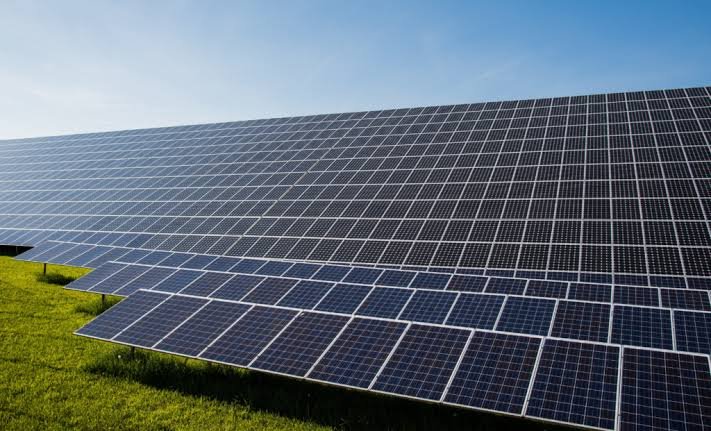
One of the most common misconceptions is that solar panels only generate electricity when the sky is completely clear.
The Reality
Solar panels require sunlight, but they do not need perfectly clear skies to produce electricity.
They can continue generating electricity during cloudy weather, although their output can be lower than during strong direct sunlight.
Clouds, fog, rain, dust, and the position of the sun can all affect solar production.
For homeowners in Pakistan, this means solar panels can continue producing energy throughout the year, although the amount of electricity generated can change from season to season.
This is particularly important in cities such as Lahore, where winter fog and cloudy conditions can temporarily reduce solar generation.
The key point is:
Cloudy weather may reduce solar output, but it does not automatically stop solar generation.One of the most important Solar Myths in Pakistan is that panels stop producing electricity whenever the weather becomes cloudy.
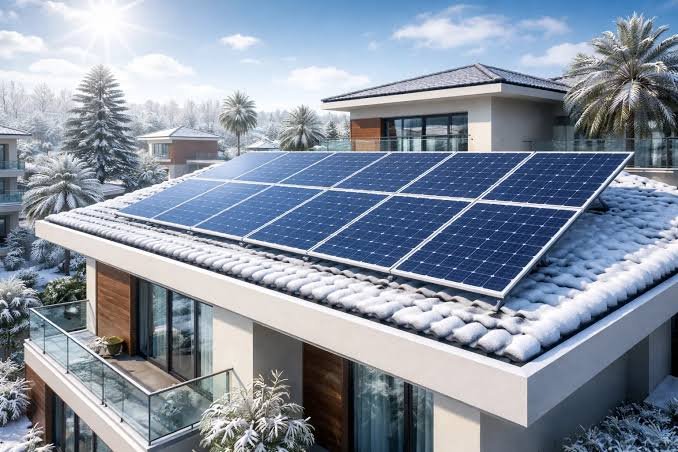
Myth 2: Solar Panels Do Not Work in Winter
Another common belief is that solar panels are useful only during Pakistan’s hot summer months.
This is incorrect.
Solar panels generate electricity throughout the year as long as sunlight is available.
In fact, solar panels can operate efficiently in cooler temperatures because excessive heat can reduce the electrical output of photovoltaic panels.
However, winter production can be lower in some locations because of:
- Shorter daylight hours
- Lower sun position
- Fog
- Cloud cover
- Dust
- Reduced sunlight intensity
This does not mean solar stops working during winter.
A properly designed solar system can continue producing useful electricity throughout the year.This is another common Solar Myth in Pakistan that can discourage homeowners from considering solar energy for year-round use.
Myth 3: Solar Panels Stop Working After 2–3 Years
Some homeowners worry that solar panels have a very short lifespan.
The Reality
Solar panels are designed to operate for many years.
Their electricity production gradually decreases over time rather than suddenly stopping.
This gradual reduction is known as degradation.
Quality solar panels are generally designed for long-term operation, with manufacturers commonly providing long performance warranties.
The exact warranty and expected degradation rate depend on the specific panel manufacturer and model.
This means homeowners should focus on:
- Panel quality
- Manufacturer reputation
- Product warranty
- Performance warranty
- Professional installation
- Proper maintenance
rather than assuming solar panels need to be replaced every few years.
Myth 4: Solar Panels Require No Maintenance at All
While solar panels generally require relatively low maintenance compared with many other electrical systems, saying they require zero maintenance is not completely accurate.
Dust, bird droppings, pollution, and other debris can accumulate on panels and reduce the amount of sunlight reaching their surface.
This can affect system performance.
Regular inspection and cleaning may be useful depending on:
- Local weather
- Dust levels
- Roof conditions
- Panel tilt
- Surrounding environment
In dusty areas, cleaning may be more important.
However, solar systems generally do not require daily maintenance.This shows why the idea that solar panels need absolutely no maintenance is another misleading Solar Myth in Pakistan.
Myth 5: Solar Completely Eliminates Your Electricity Bill
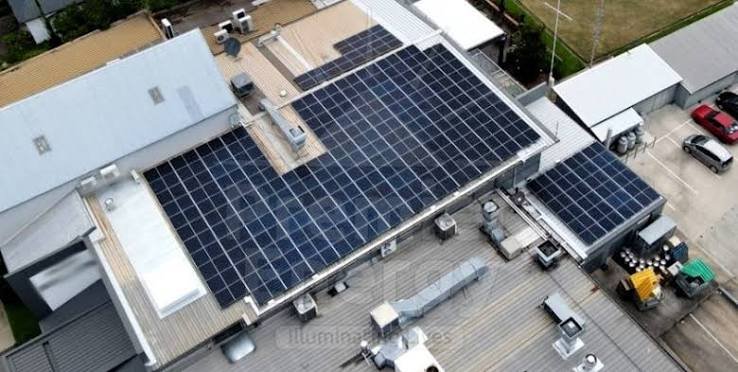
This is one of the biggest solar misconceptions.Among the most widely discussed Solar Myths in Pakistan is the belief that installing solar automatically means a zero electricity bill.
People sometimes assume:
Install solar = Zero electricity bill forever
The reality is more complicated.
Your electricity bill after installing solar depends on:
- System size
- Electricity consumption
- Solar generation
- Daytime energy usage
- Nighttime electricity usage
- Battery capacity
- Grid imports
- Export arrangements
- Applicable tariffs and regulations
A well-designed solar system can significantly reduce electricity purchases from the grid, but the actual bill will depend on how the system is used.
Homeowners should therefore be cautious about companies promising a guaranteed “zero bill” without analyzing their electricity consumption.
Myth 6: You Must Have Batteries With Every Solar System
Not every solar system requires batteries.
There are different solar configurations, including:
On-Grid Solar
An on-grid system works alongside the electricity grid and generally does not require batteries.
Hybrid Solar
A hybrid system combines solar panels with battery storage and the grid.
Off-Grid Solar
An off-grid system is designed to operate independently of the utility grid and normally requires substantial energy storage.
If your main objective is to reduce your electricity bill and you have a reliable grid connection, an on-grid system may be appropriate.
If you want backup electricity during load shedding, a hybrid system with battery storage may be a better fit.
The right choice depends on your requirements.The belief that every solar system needs batteries is another common Solar Myth in Pakistan.
Myth 7: Solar Panels Can Run Everything in the House
Solar systems can power many household appliances, but the system needs to be appropriately sized.
Your solar system must have enough generation and inverter capacity to support your electrical loads.
For example, a home may use:
- Lights
- Fans
- Refrigerator
- Washing machine
- Water pump
- Television
- Computers
- Air conditioners
Running several high-power appliances simultaneously requires a larger system than running only basic household loads.
Therefore, homeowners should not assume that installing a small solar system will automatically power every appliance.
The correct system size should be calculated according to actual electricity consumption.This is why homeowners should avoid the Solar Myth in Pakistan that a small solar system can automatically power every appliance in the house.
Myth 8: Solar Cannot Run Air Conditioners
This is another widespread misconception.
The Reality
Solar can run air conditioners if the solar system is appropriately designed.
The required capacity depends on:
- AC size
- AC efficiency
- Number of ACs
- Daily operating hours
- Other household loads
- Solar panel capacity
- Inverter capacity
- Battery requirements
For example, a home with one efficient inverter AC may have very different solar requirements from a home running three ACs simultaneously.
If AC operation is required during load shedding or at night, battery capacity also becomes important.The idea that solar cannot run air conditioners is another common Solar Myth in Pakistan that depends mainly on proper system sizing.
Myth 9: More Solar Panels Always Mean More Savings
More panels can produce more electricity, but installing the maximum possible number of panels is not always the best financial decision.
Your solar system should be designed around your electricity consumption and energy goals.
Installing significantly more capacity than you can effectively use may increase the upfront cost.
In Pakistan’s current rooftop-solar environment, this consideration has become even more important because the regulatory framework for exporting surplus electricity has changed.
Under the 2026 Prosumer Regulations, Pakistan moved from the previous net-metering framework toward net billing, making self-consumption increasingly important when evaluating system economics.
This means homeowners should consider when they use electricity, not just how much electricity their panels can generate.
Myth 10: Net Metering Means You Get Free Electricity
Many homeowners have heard that net metering means excess solar electricity simply cancels out electricity purchased from the grid on a one-to-one basis.
That description reflects the older net-metering model.
Pakistan’s regulatory framework changed in 2026, with the NEPRA Prosumer Regulations, 2026 introducing a net-billing framework.
Under the updated framework, the value of electricity exported to the grid is different from the retail price consumers pay when purchasing electricity.
Therefore, homeowners considering solar should not rely on old net-metering calculations.
Instead, they should evaluate:
- Self-consumption
- Daytime electricity usage
- Solar system size
- Battery storage
- Grid electricity purchases
- Current applicable regulations
Solar policy can change, so customers should confirm the current rules before making a financial decision.
Myth 11: Solar Is Only for Rich Homeowners
Solar systems can require a significant initial investment, but solar is no longer limited to extremely wealthy households.
Different system sizes are available for different energy requirements and budgets.
A homeowner might consider:
- 3kW
- 5kW
- 6kW
- 8kW
- 10kW
- 12kW
- Larger systems
The best system is not necessarily the largest one.
A properly sized system can allow homeowners to invest according to their actual electricity consumption and future requirements.
Financing options may also be available depending on banks, solar companies, and current programs.
Myth 12: Solar Panels Are Too Heavy for Residential Roofs
Some homeowners worry that installing solar panels will damage their roofs or that residential structures cannot support them.
A professional solar installation should include an assessment of the roof and mounting requirements.
The installer should consider:
- Roof structure
- Mounting system
- Panel arrangement
- Wind exposure
- Installation points
- Waterproofing
- Maintenance access
A qualified installer should determine whether the roof is suitable before installation.
Homeowners should never assume that every roof has identical structural conditions.
Myth 13: Solar Panels Will Damage My Roof
Solar panels themselves do not automatically damage a properly maintained roof.
Problems can occur when mounting systems are installed incorrectly or when waterproofing is not handled properly.
This is why installation quality matters.
A professional installation should focus on:
- Proper mounting
- Appropriate waterproofing
- Secure connections
- Correct cable management
- Safe electrical installation
- Adequate maintenance access
Choosing the cheapest installation without considering workmanship can create unnecessary problems later.
Myth 14: Solar Panels Are Too Difficult to Clean
Solar panels are generally straightforward to clean.
However, the cleaning method should be appropriate for the panel surface and local conditions.
Dust can accumulate quickly in some areas of Pakistan, especially during dry weather.
Homeowners should avoid using harsh chemicals or abrasive materials that could damage the panel surface.
If roof access is difficult or unsafe, professional cleaning is preferable.
Safety should always come first when working on rooftops.
Frequently Asked Questions (FAQs)
1. Do solar panels work during cloudy weather?
Yes. Solar panels can still generate electricity when sunlight is available through clouds, although their output is generally lower than during strong direct sunlight.
2. Do solar panels work in winter in Pakistan?
Yes. Solar panels continue to generate electricity during winter. However, shorter daylight hours, fog, clouds, and other weather conditions can reduce production.
3. Do solar panels stop working after a few years?
No. Quality solar panels are designed for long-term operation. Their output generally decreases gradually over time rather than suddenly stopping.
4. Does every solar system need a battery?
No. On-grid systems can operate without batteries. Batteries are mainly used when backup power or greater energy independence is required.
5. Can solar completely eliminate my electricity bill?
Not necessarily. Your bill depends on solar production, electricity consumption, grid usage, system size, battery usage, and the applicable electricity billing framework.
6. Can solar run an air conditioner?
Yes. A properly sized solar system can run an air conditioner. The required system capacity depends on the AC’s power consumption and other household loads.
7. Can solar work during load shedding?
A standard on-grid system normally shuts down when the grid goes offline. A properly configured hybrid system with battery backup can provide electricity to designated loads during an outage.
8. Is net metering still the same in Pakistan?
No. Pakistan’s rooftop-solar regulatory framework changed in 2026, with the Prosumer Regulations introducing a net-billing framework. Homeowners should check the current rules before making investment calculations.
9. Do solar panels require maintenance?
Solar systems generally require relatively low maintenance, but panels may need cleaning and the complete system should be periodically inspected.
10. Is solar worth installing in Pakistan?
It can be, but the financial benefit depends on electricity consumption, system cost, solar generation, self-consumption, battery requirements, and current electricity policies. A customized assessment is the best way to determine whether solar makes sense for a particular home.
📍 Office: MM Tower, Plaza 54, KB Commercial Road, Lahore
📞 Phone: +92 319 9903998
📧 Email: Info@ecogreensolars.com
🌐 Website: www.ecogreensolars.com
#SolarMyths #SolarEnergy #SolarPanels #SolarPower #SolarPakistan #SolarLahore #HomeSolar #SolarSystem #RenewableEnergy #CleanEnergy #SolarFacts #SolarSolutions #HybridSolar #SolarInstallation #SolarEnergyPakistan
Need help with your solar or electrical work?
EcoGreen Solar installs solar systems and provides electricians, wiring and CCTV across Lahore and Punjab. Get a free survey and a written quote.
Call / WhatsApp 0319 9903998 Request a free quote
Related: Solar installation services · Cities we serve